The Obsession That Ended James Barry’s Life

James Barry was the kind of guy you’d want as your neighbor, your son, or your best friend. Born in 1995, he grew up in Loxahatchee, Florida, surrounded by cats, dogs, and horses. His childhood was filled with family, outdoor adventures, and a quiet kindness that followed him everywhere. When his parents divorced, James stayed with his mom, Nicola, while his sister Alexandra lived with their dad. Still, the family remained close. James did well in school, stayed out of trouble, and loved video games more than anything else.
And it was through gaming that he met her.Melanie Eam was shy, quiet, and seemed harmless at first. The two connected through online gaming platforms, and their friendship turned into romance. What started as chats and digital adventures soon turned into sleepovers, holidays, and daily life together. Melanie became a constant part of James’s world. She was always around. She practically lived at the Barry home and showed up in almost every family photo.
When James graduated high school, Melanie made a bold decision. She dropped out, earned her GED, and followed him to Palm Beach State College. They even registered for the same classes just so they could be together all the time. To the outside world, it looked like a deep, committed love. But behind closed doors, things were different.

According to James’s best friend, Jeff Jarzabkowski, Melanie could be controlling. James had tried to end the relationship several times, but Melanie would react emotionally. Once, she even picked up a knife and threatened to harm herself. After that incident, her family sent her to stay with relatives in Maryland, hoping the space would cool things down. It worked for a while, but during the summer of 2016, James let her back into his life.
By November, James had finally had enough. He wanted to reclaim his independence. On the evening of November 16, 2016, he broke up with Melanie through a gaming chat app. He told her it was over. That he hadn’t loved her for months. The breakup message hit Melanie like a truck.
At the time, James was home with his mom, her boyfriend Guy Hand, and Jeff, who was sleeping over. They’d all had dinner together that night. Later in the evening, James went to his room to play video games while Jeff fell asleep on the bed. At one point, Jeff stirred when James walked into the room and said, “Jeff, just so you know, I think it’s over.” Jeff nodded and drifted back to sleep.
Moments later, everything changed.
Jeff was jolted awake by a loud bang. The door to the bedroom flew open and James stormed in, panicked and bleeding. He turned on the light and screamed, “Jeff, help… help. Please get out of here, help.” Then he collapsed on the bed.
Startled, Jeff rushed to his side and tried to stop the bleeding. His hands pressed down on James’s chest, trying to hold it all together, but the blood just kept pouring out. In shock, Jeff screamed for help.
Nicola, hearing the commotion, ran to the room. She saw her son covered in blood and shouted for Guy Hand. Guy came in, saw James lying motionless, and at first thought the boys were playing a prank. But the blood was real. He grabbed the knife that had been discarded in the hallway and moved it to the kitchen counter to prevent anyone from stepping on it.
Then Nicola grabbed the phone. Around 12:52 a.m., she made a frantic 911 call. Her voice shook as she cried out, "Somebody came in and stabbed my son and he’s bleeding."
There was chaos. James had been stabbed multiple times. He had deep slice wounds, a fatal chest wound, and defensive injuries that showed he had tried to fight back. He died before paramedics could save him.
When detectives arrived, they found the knife on the counter. It was about ten inches long and razor sharp. Detectives searched the house and found no signs of forced entry. But something on the back patio stood out. A pink cell phone. It belonged to Melanie.
Nicola was stunned. She didn’t believe Melanie could have done something like this. She was so quiet, so soft-spoken. But the evidence began stacking up quickly.

Neighbors had security footage showing a white car pulling into the neighborhood just before the murder and driving off shortly afterward. That car was traced back to Melanie.
James’s dad told detectives that he had been texting with his son that night. James had shared that he was planning to break up with Melanie. His last words were haunting. He said, “It’s going to hurt a lot.”
Detectives got a warrant for Melanie’s phone and discovered the breakup conversation on a gaming chat app. Her replies were emotional and distraught. Her pain was clear. But something much darker had already been set in motion.
Melanie had driven all the way to James’s house in the middle of the night. She slipped inside, went into the kitchen, grabbed a knife, and confronted him. She was enraged. She later told detectives she could not even remember how many times she stabbed him.
After the murder, she disappeared.
Melanie’s mother arrived at the Barry home later that day and told police that her daughter had sped off in her white Toyota Corolla. They could not reach her.

Eventually, detectives traced Melanie to Silver Springs, Maryland. She was staying with family. Local officers conducted a wellness check, and bodycam footage captured her asking calmly, “I’m just wondering when should I go in for the questioning?”
Later that day, detectives from Florida sat down with her at a kitchen table. Melanie told them what happened. She admitted that she was crushed when James ended things. She said he told her he had not loved her for months. That night, she drove to his house, entered through the back, and confronted him. She took a knife from the kitchen. She attacked.
Before the detectives left, Melanie handed them the shirt she had worn that night. It was still stained with James’s blood.
Despite the confession, Melanie was not arrested on the spot. Authorities had to work with Florida law enforcement. She was taken into custody the following morning and charged with second-degree murder.
Her first trial took place in September 2019. The jury could not agree. Four jurors wanted to convict her of second-degree murder. The other two leaned toward manslaughter. A mistrial was declared.
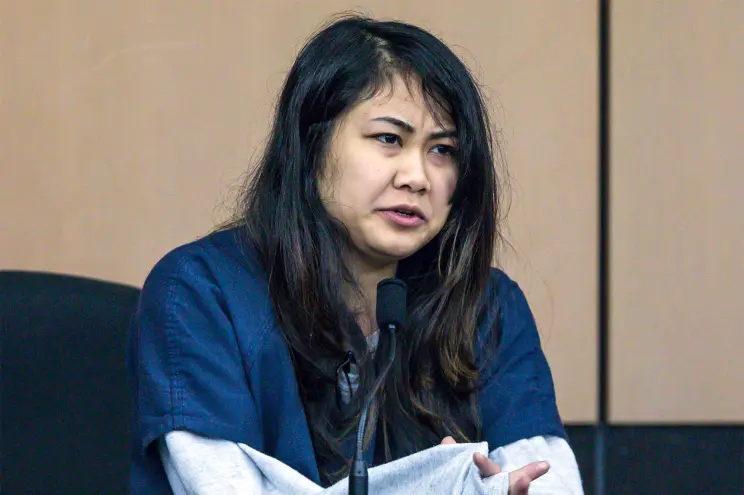
In January of 2020, prosecutors tried again. Assistant State Attorney Lauren Godden described Melanie as a woman scorned. She told the jury about the breakup, the stabbing, the bloodstained shirt, the murder weapon, the cell phone, the footage, and the confession. Defense attorney Elizabeth Lehr tried to cast doubt, suggesting someone else in the house, maybe Guy Hand, could have committed the murder.
But it was no use. The evidence was overwhelming. After just two hours of deliberation, the jury found Melanie Eam guilty of second-degree murder.
She had once been welcomed as family. She had spent holidays with the Barrys. She had shared every milestone with James. But in the end, she took everything from them.
James Barry was 21 years old. A son. A brother. A friend. A gamer. A good man. And in one horrifying moment, his life was stolen by the very person he once loved the most.


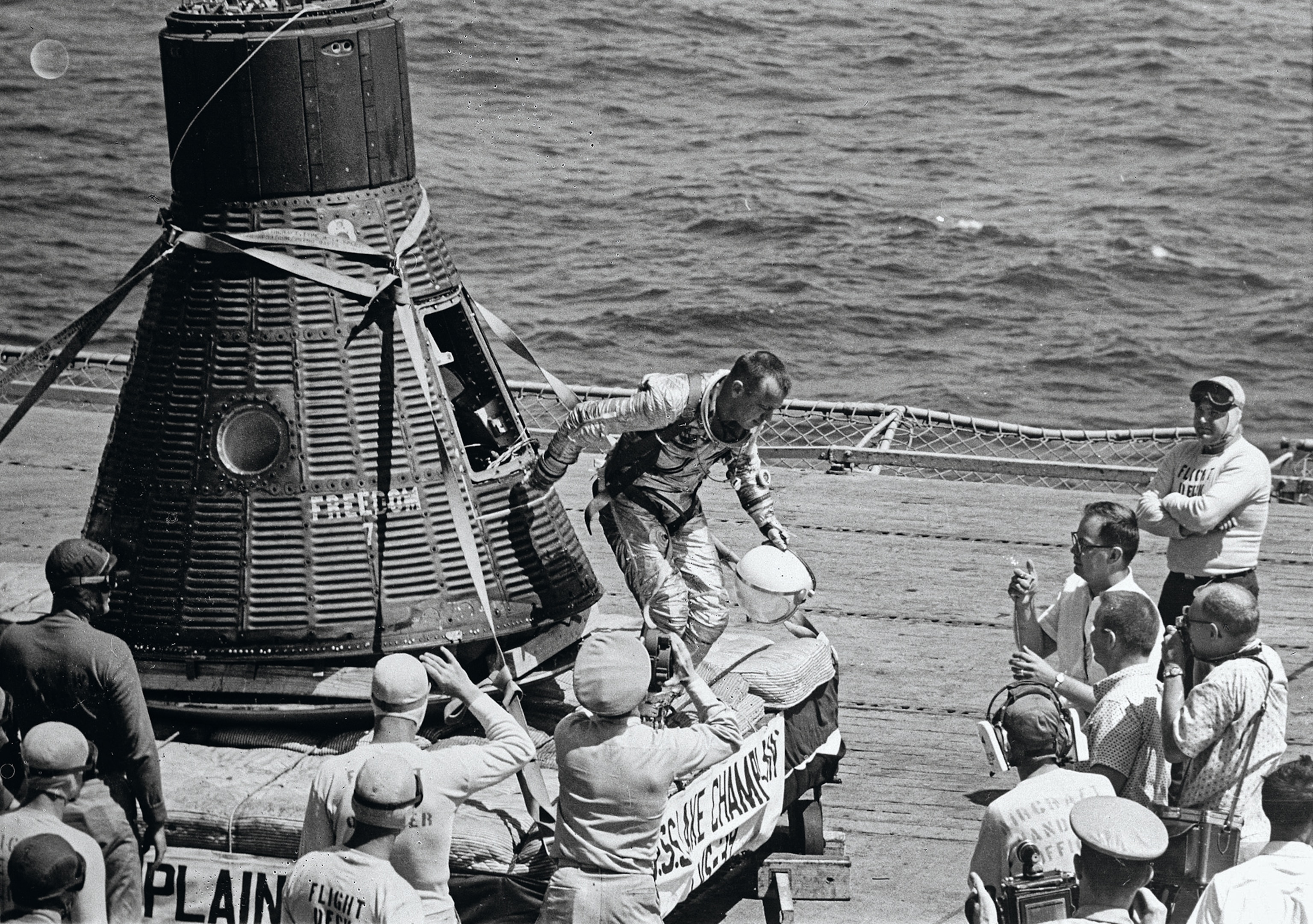
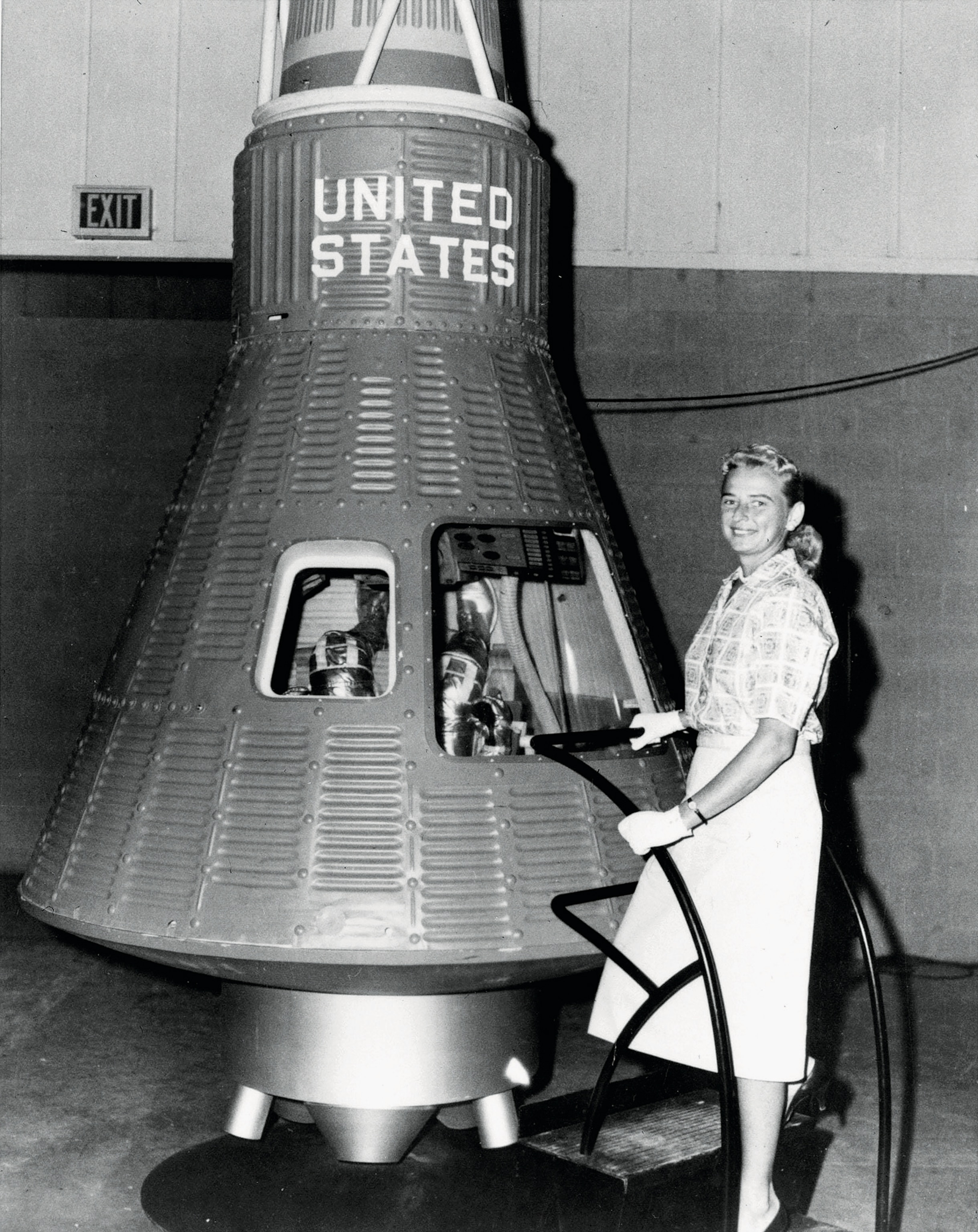 Pilot Jerrie Cobb, the first woman to go through astronaut screening in the U.S., poses with the Freedom 7 Mercury capsule.ALAMY/CORDON PRESSThe Mercury 13 were a group of female aviators who underwent the same rigorous screening tests as the Mercury 7 male astronauts. Also called the First Lady Astronaut Trainees (FLATs), they included Jerrie Cobb, a young pilot with three world aviation records. The doctor responsible for devising NASA’s training noticed Cobb’s abilities and extended astronaut evaluations to women, believing they may offer physiological and psychological advantages over men. But the effort, never officially sanctioned by NASA, lost its private funding, and the agency insisted on jet experience as a prerequisite for astronaut training. (Women were barred from flying jets.) Cobb outperformed many of her male counterparts, but she never reached her goal of becoming the nation’s first female astronaut. NASA would not admit women until 1978, and Sally Ride became the first American woman in space, in 1983, 20 years after Valentina Tereshkova’s pioneering flight for the Soviet Union.
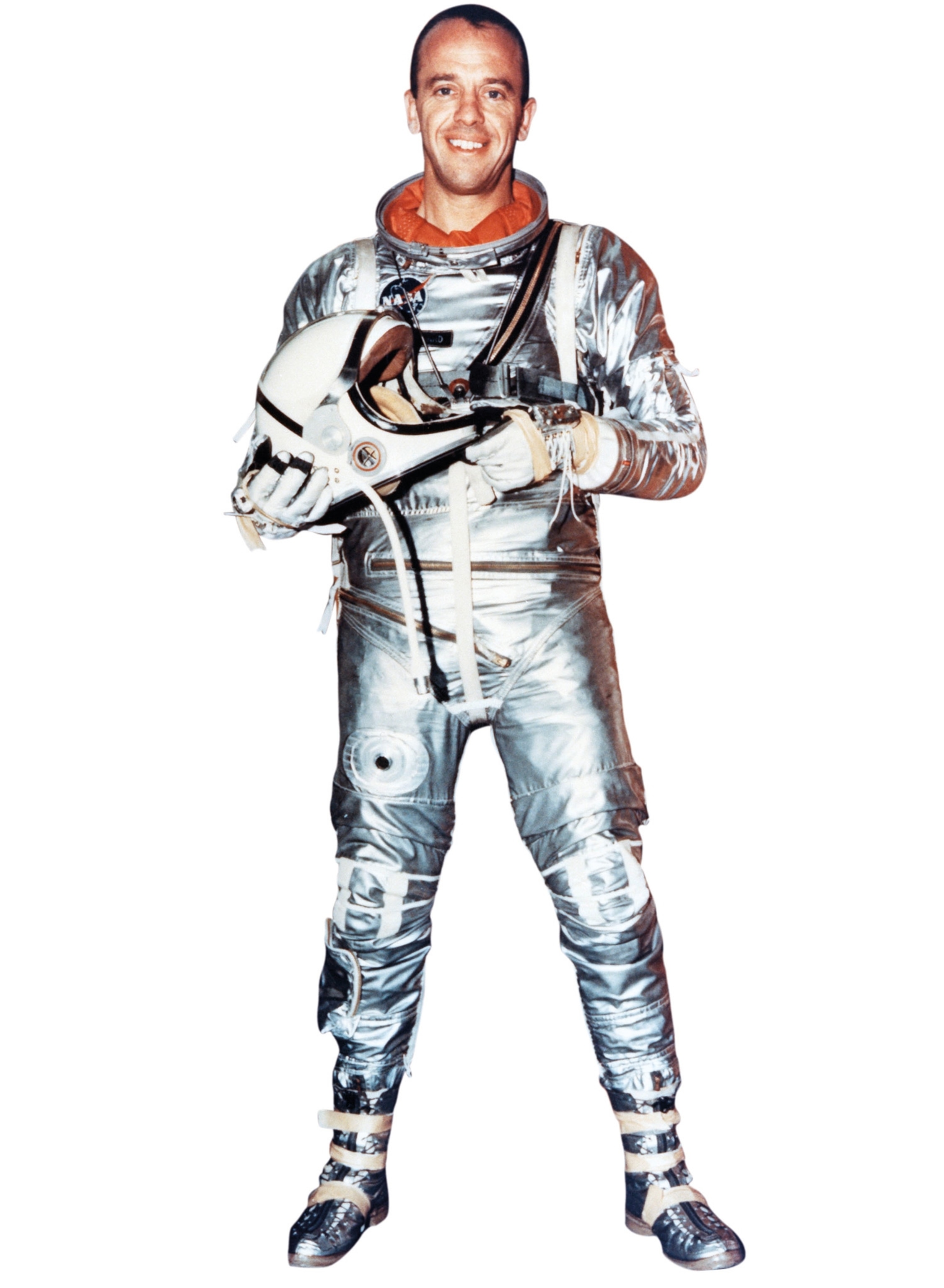 Moments prior to his launch, the astronaut poses for a photo in his Mercury pressure suit.GRANGER/ALBUM












![Carousel Image 02 [NoTitle]](https://blogger.googleusercontent.com/img/b/R29vZ2xl/AVvXsEiMh5NiY1NKtn1mCNKodbqkn02i8pjU7yUpB7CrwtxPKBr-F2qjMKbLUUYv3H5R1UisUudIymJpNGj5rWNMkfKH29UVVRF_7Fol-IAF2fRiVnpxn1oXYO6hTfcRhF5E7DjM3egR6qGUd7pSi9sFR899UOHTcO-Dwg3PH7nN4vkAeQJbnNwsRTkeL2gdkbg/w1080-h432-p-k-no-nu/jungle-trekking-adventure.jpg)


