What lies beneath Hitler’s war lair?
What lies beneath Hitler’s war lair?
- HISTORY & CULTURE
Researchers are trying to solve the mystery of human remains uncovered at the Wolf’s Lair, the Nazi headquarters turned tourist attraction.
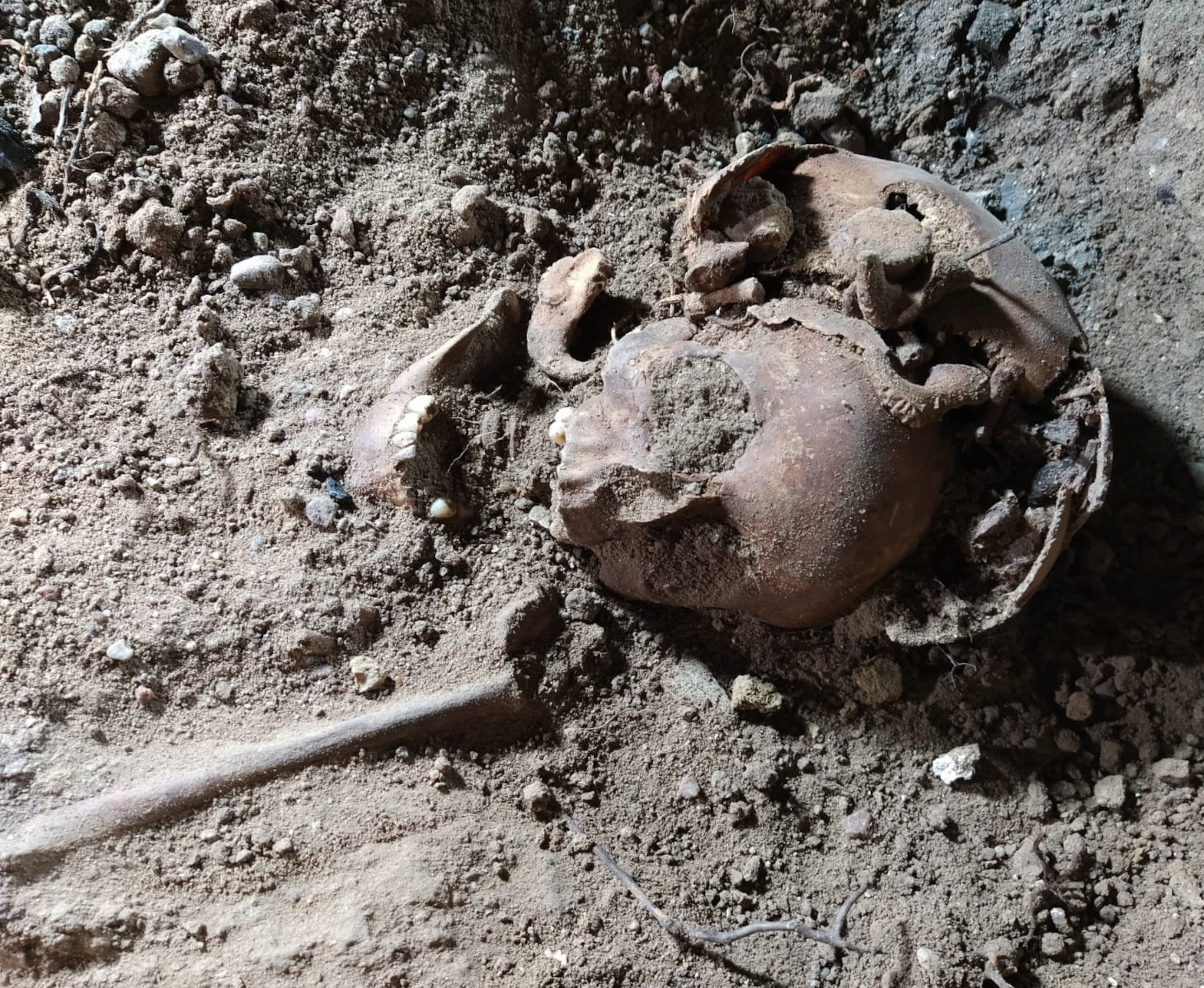
Amateur archaeologists in Poland recently unearthed five human skeletons—each missing hands or feet—from Hitler’s Wolf’s Lair, or Wolfsschanze, near the town of Kętrzyn in northeast Poland.
The macabre discovery was made beneath a house once occupied by Hermann Göring. The Nazi field marshal was second-in-command of the Third Reich, after Adolf Hitler.
(11 Otherworldly Pictures of Abandoned WWII Bunkers)
While the remains have not yet been conclusively dated, the burials appear to be those from a family who fell victim to the tumultuous history of the region in the early 20th century.
Finding human remains at Wolf’s Lair
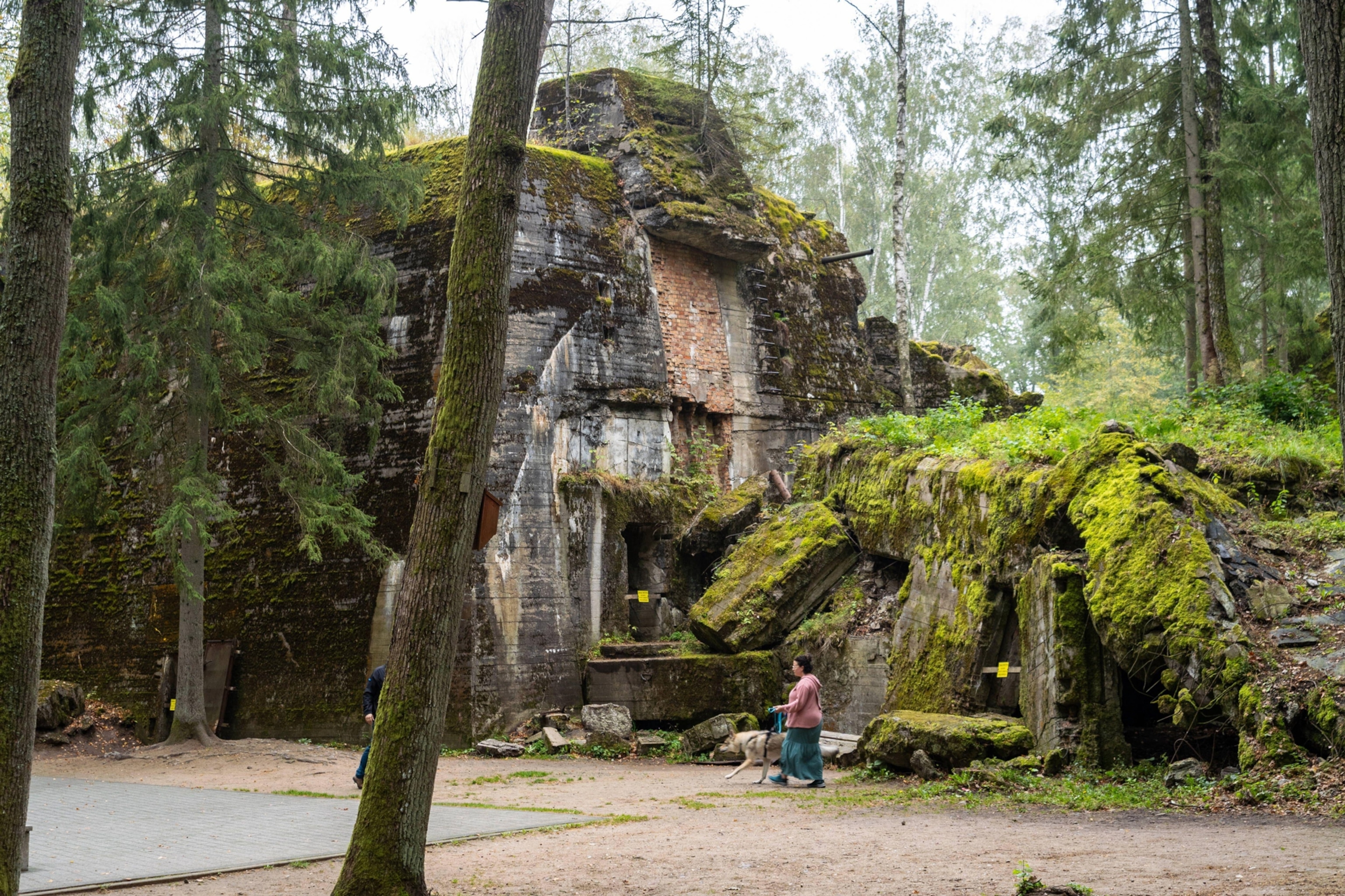
Gdańsk engineer Adrian Kostrzewa, a member of Poland’s volunteer Latebra Foundation, was working over a winter weekend to recover artifacts from the ruins of Göring’s house at the site, which still stands near what’s left of Hitler’s bunker.
Foundation members have worked at the Wolf’s Lair site—now in a state forest park—for more than five years, with exclusive authorization by the site’s management and government officials.
Kostrzewa says he was excavating beneath what was once the floor of the Göring’s house when he found what he thought was a plumbing pipe. It turned out to be a human skull.
 |
| Hitler’s headquarters, the Wolf’s Lair, is located near the northeast corner of Poland. Once a heavily secured compound, it’s now a tourist attraction. |
After the discovery, the excavation team called the police, who unearthed the skeletons of four more people—including a teenager and a newborn baby—all buried in a line.
It’s not clear why they were buried there, but a police investigation has determined from their obvious age that the skeletons are probably from before 1945, Kostrzewa says.
(World War II veterans remember Hitler’s “last gamble”)
For more than 30 years, the Latebra Foundation has specialized in unearthing archaeological artifacts from different periods in Poland’s storied and difficult history. Members often use metal detectors—an activity that requires permits in the country.
The 30 volunteers of the Latebra Foundation had never seen anything like these skeletons before. “It’s a sad story,” says Kostrzewa.
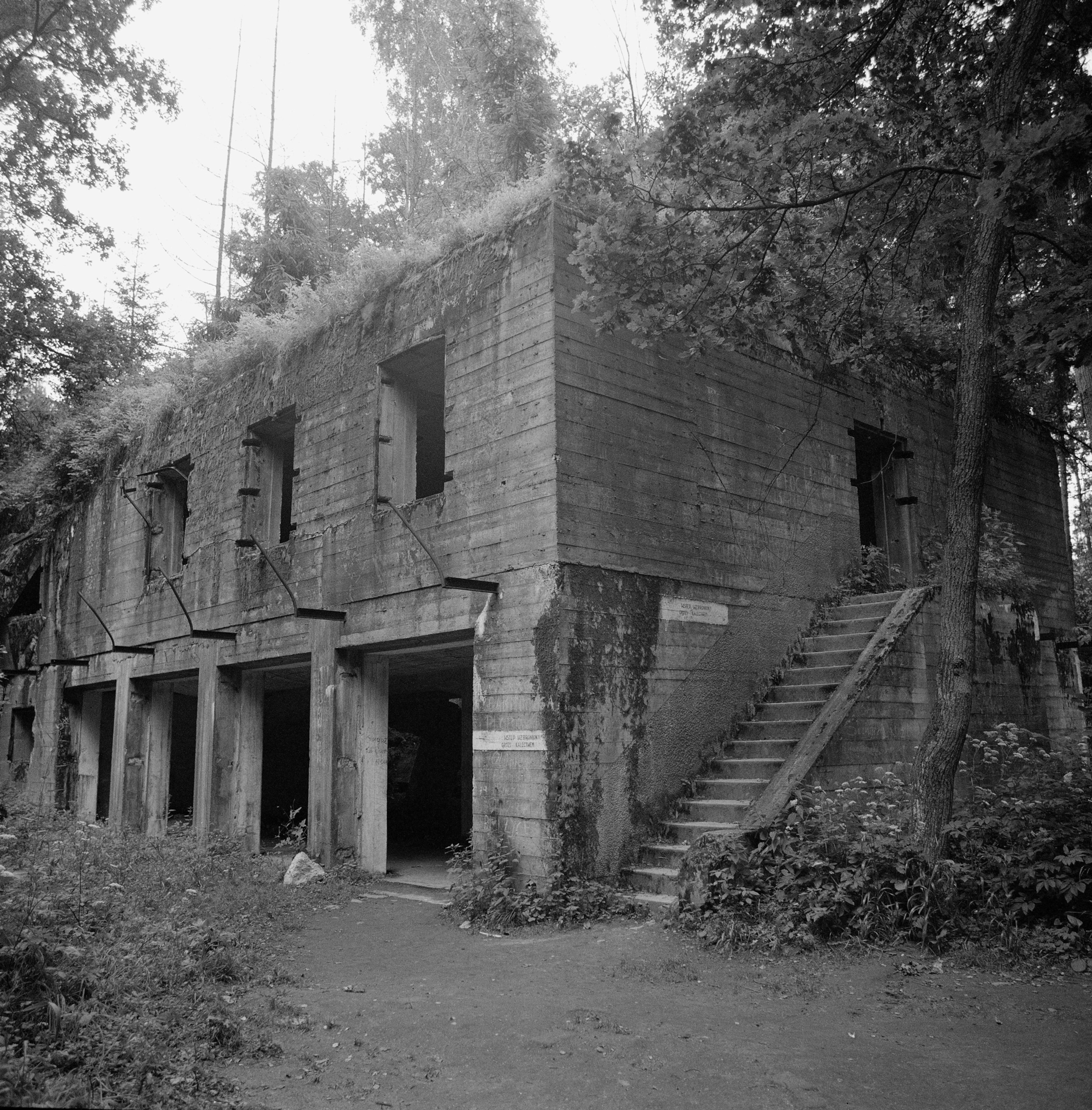
What was the purpose of the Wolf’s Lair?
In 1940 Hitler ordered a secret military headquarters built at a remote spot in northeast Poland to prepare for his invasion of the Soviet Union. Hitler spent many months at the Wolf’s Lair after it became operational in June 1941 through 1944.
He was joined by other Nazi leaders, including Göring, the commander of the Luftwaffe, and ostensibly Hitler’s successor, and Fritz Todt, whose Organisation Todt was responsible for the Wolf’s Lair construction.
Despite his middle-class background, Göring styled himself as a Prussian aristocrat. His lavish lifestyle consisted of several homes, including his sprawling Carinhall estate near Berlin. As a result, his stays at his residence in the Wolf’s Lair were probably limited to essential meetings.
The complex consisted of about 200 buildings, including bunkers, shelters, barracks, a power plant, and a railway station. At its peak, more than 2,000 people helped run the Nazi headquarters for Operation Barbarossa, the German invasion of the Soviet Union.
(Caught between Stalin and Hitler—one family’s harrowing escape)
After it was partially destroyed by the retreating Nazis and largely ignored during the Cold War years, the Wolf’s Lair opened for tourism in the 1990s, when Communism fell in Poland.
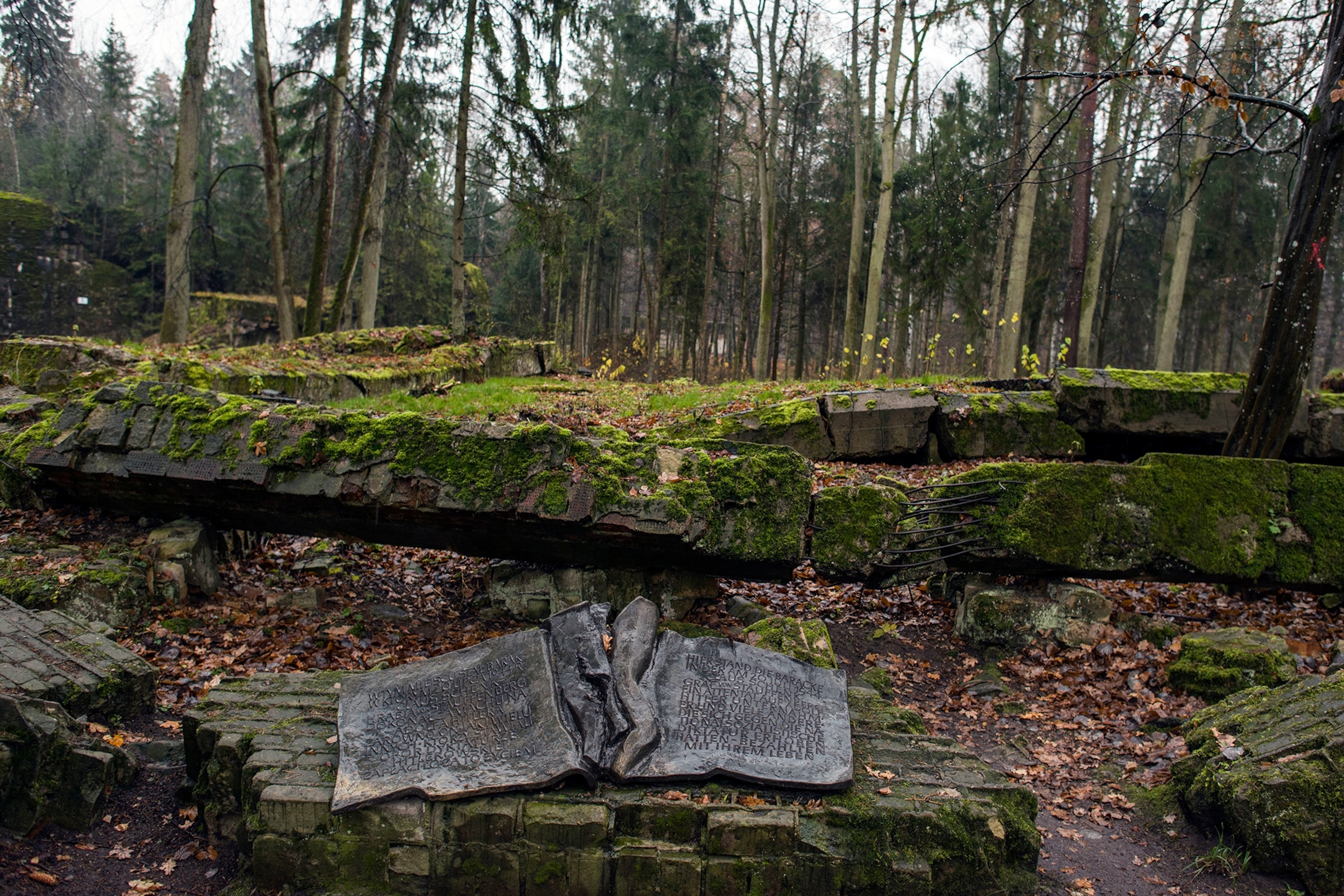
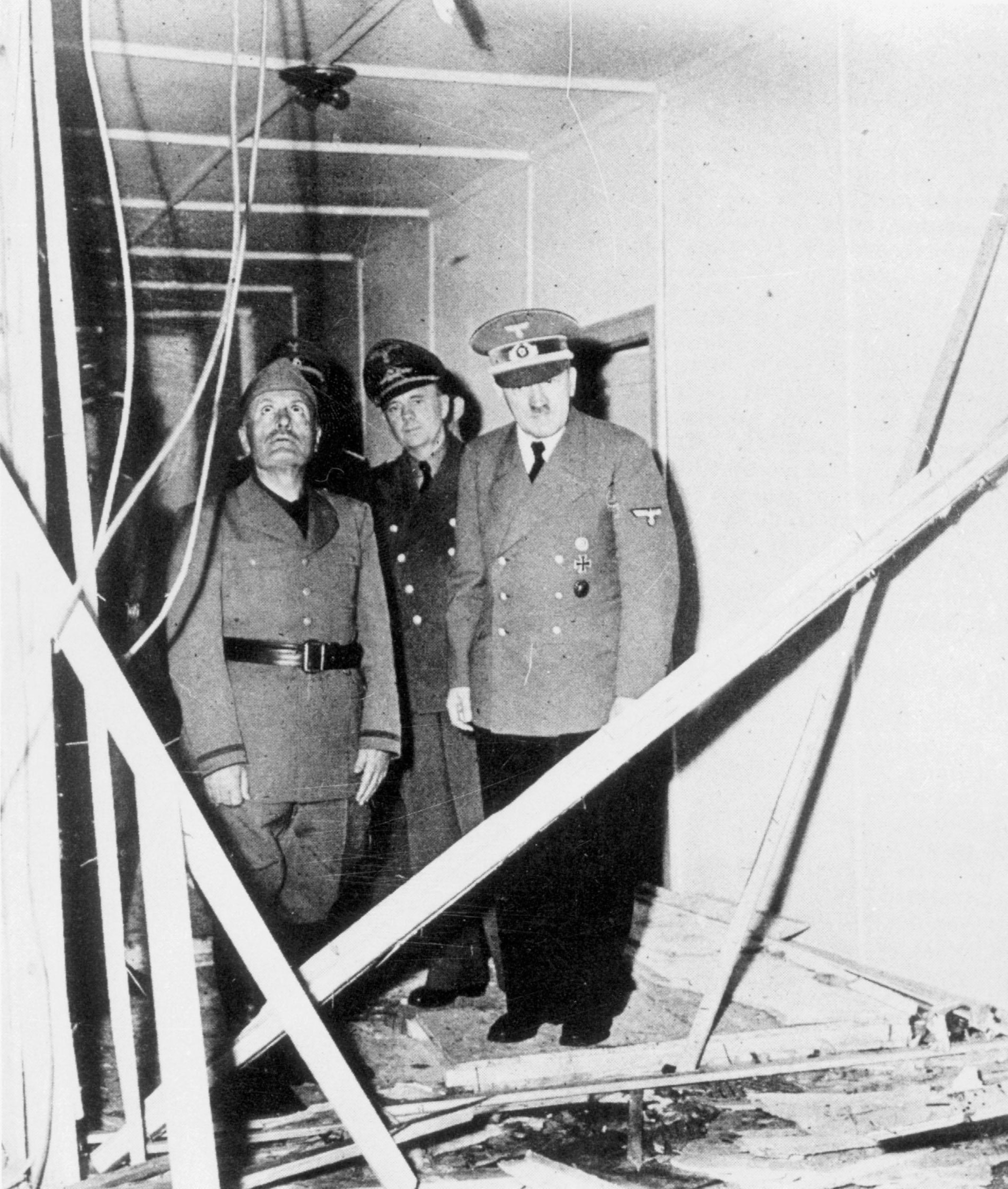
The Wolf’s Lair still exists. Today it attracts tens of thousands of tourists a month. It was recently remodeled to reconstruct the conference room where the German army officer Claus von Stauffenberg detonated a suitcase bomb in an assassination attempt on Hitler, or Operation Valkyrie, in 1944.
The blast killed four people and injured 20 more. However, Hitler was shielded by a leg of the conference room table and emerged almost unscathed.
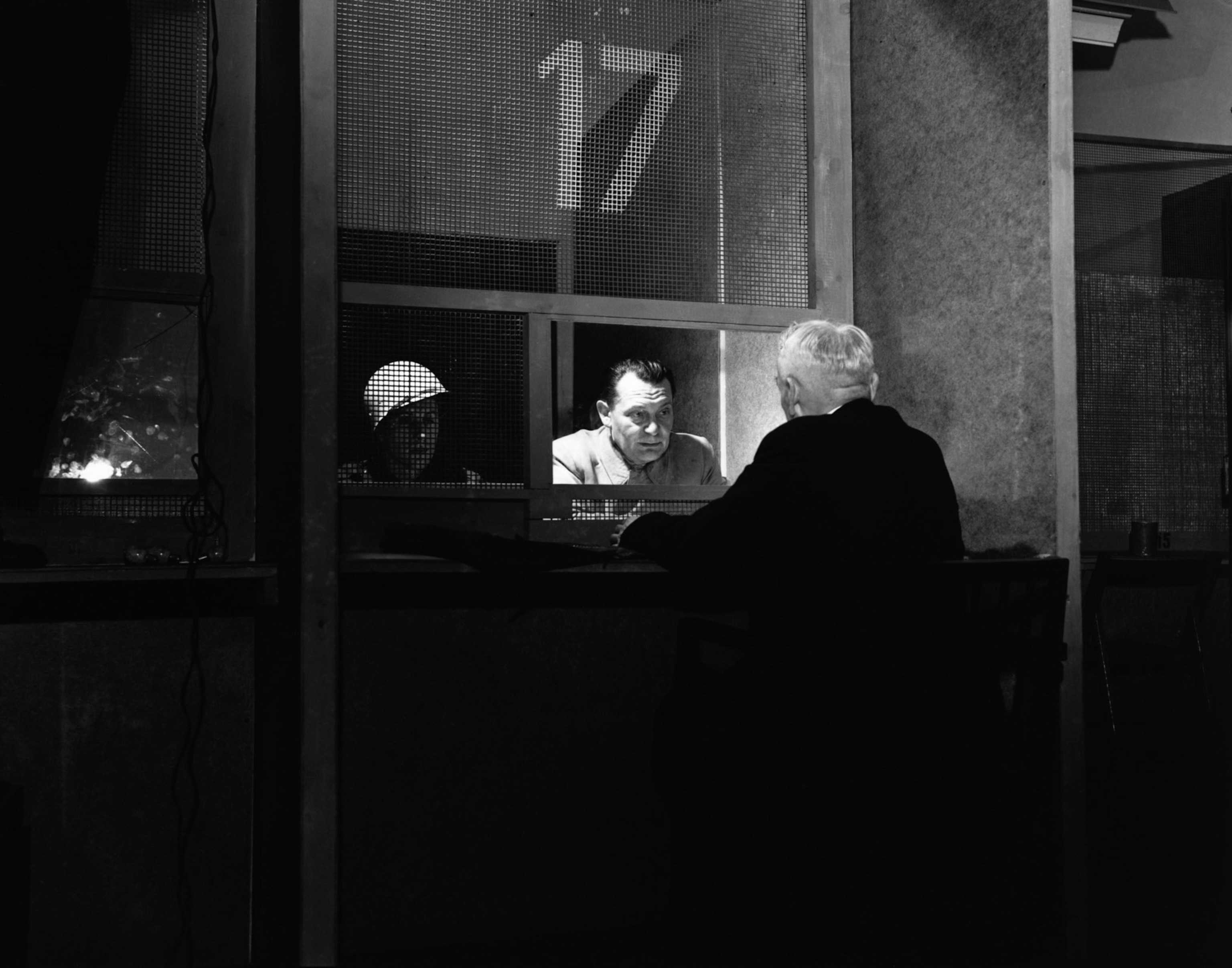
(40 years after Solidarity, Gdańsk’s rebellious spirit still inspires Poland)
What happened at the Wolf’s Lair?
The skeletons were buried in the floor just a few inches below the surface and right next to 1940s-era plumbing pipes for the house. If they were indeed buried before Göring moved in, construction workers would have found the remains and must have left them where they were.
The burials include other peculiarities. There is no evidence of clothing, although they may have rotted away with time. Strangest of all, however, is that all the skeletons except one are missing hands and feet. The one skeleton still had some toes.
Some archaeologists have suggested the hands and feet may have decayed before the rest of the bodies. But just why all five bodies would be found in such an odd manner hasn’t been explained. “It’s creepy,” Kostrzewa concedes.
Rafał Jackowski, a spokesperson for the Warmian-Masurian Provincial Police in charge of the area, says officers and a medical examiner from Kętrzyn investigated the discoveries at the Wolf’s Lair.
The medical examiner said the skeletons appear to be from the “interwar” years between 1918 and 1939. The poor condition of the remains means it’s impossible to determine the causes of their deaths.
As a result, the police have no reason to think that a crime has been committed and have closed their investigation.
Who were the people buried beneath Hitler’s lair?
The next step will be for the Latebra Foundation to sample the remains for radiocarbon dating, which could establish to within a few years just when the people died.
The foundation will also undertake other methods to determine who the people were. Until then, the many theories about why they were buried beneath Hermann Göring’s house at the Wolf’s Lair can only be speculation.
Some newspapers have surmised that the burials were the result of human sacrifices. Some leading Nazis, especially SS head Heinrich Himmler, indulged in what they thought were German pagan religious beliefs.
(Learn how “Operation Paperclip” brought Nazi scientists to the U.S.)
An unknown number of dart-shaped stones called belemnites were found near the bodies during the police investigations, according to Kostrzewa.
Since ancient Greek times, the distinctive stones were believed to be the result of lightning striking the ground and were sometimes placed in pagan burials as good-luck charms.
But belemnites are actually the fossilized remains of prehistoric squid, which occur naturally in the region. Kostrzewa adds there is no other evidence of paganism or any other sort of ritual practices.
For his part, however, Kostrzewa thinks the five skeletons were all from members of a single family. In addition to the newborn, there is evidence that another victim was very elderly when they died. “That’s the most probable idea,” Kostrzewa says. “Rather less probable is that someone made a building right over an old cemetery.”
Learn the history of the Wolf’s Lair, Hitler’s Nazi war headquarters in PolandPolish war historian Paweł Machcewicz of the Polish National Academy’s Institute of Political Studies, who wasn’t involved in the discoveries, suggests the remains might be from laborers forced to build the Wolf’s Lair complex. However, that idea doesn’t explain the presence of a newborn in the burials.
Machcewicz also speculates they could be from people killed by the Red Army after it overran the Wolf’s Lair in 1944. That’s when Soviet soldiers committed terrible atrocities on civilians. The people could also have been victims of violence after World War II.
(The Soviet victory in the Battle of Berlin finished Nazi Germany)
Historian Robert Traba, an expert on the region also with the Institute of Political Studies and who also wasn’t involved, adds that there has been little professional research at the Wolf’s Lair site. As a result, he’s not surprised that there are still discoveries there.
The skeletons add further mystery to the story. The Wolf’s Lair “hides many puzzles,” Traba says, ”and problems.”


Comments
Post a Comment